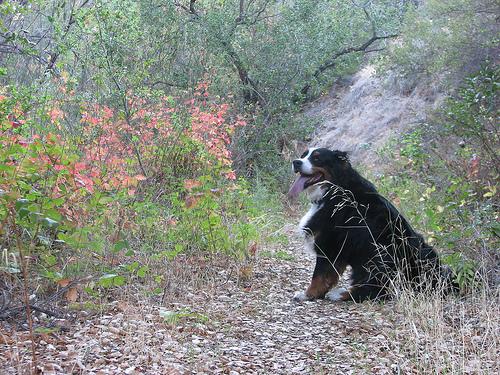
Bernese Mountain Dog
Giant BreedAbout the Bernese Mountain Dog
The Bernese Mountain Dog is a giant-sized breed. Males typically weigh between 38 and 50 kg when fully grown, while females weigh 36 to 45 kg. With an average lifespan of 7 to 10 years, the Bernese Mountain Dog is a average-lived breed.
Temperament
The Bernese Mountain Dog is a majestic and loyal breed known for their calm demeanour and protective instincts. They form deep bonds with their families and are surprisingly gentle for their size. They are not high-energy dogs but do need regular exercise and mental stimulation. An experienced owner who can provide consistent leadership is ideal.
Exercise Needs
Bernese Mountain Dog dogs need regular moderate exercise — about 1 hour daily through walks and gentle play. Despite their size, they should not be over-exercised, especially as puppies, as this can damage developing joints and bones. Avoid strenuous activity in hot weather as large dogs overheat easily. Swimming is an excellent low-impact exercise option.
Common Health Issues
Giant breeds like the Bernese Mountain Dog face unique health challenges including bloat (a life-threatening emergency), hip and elbow dysplasia, heart conditions, and bone cancer. Their large size puts extra stress on joints and the cardiovascular system. Giant breeds have shorter lifespans than smaller dogs. Feeding from raised bowls and avoiding exercise immediately after meals may help reduce bloat risk.
Grooming
Grooming a Bernese Mountain Dog requires some effort due to their size. Weekly brushing helps manage the coat and provides bonding time. Professional grooming may be easier than bathing at home. Regular nail trimming, ear cleaning, and dental care are important. Giant breeds can drool significantly, so keeping a cloth handy for wiping the mouth area is practical.
Famous Bernese Mountain Dog Owners
Swiss geologist and dog enthusiast Professor Albert Heim identified the Bernese Mountain Dog as a distinct breed in 1904 and worked closely with Swiss farmer Franz Schertenleib to gather specimens from farms around the Berne region and establish the Schweizerische Dürrbach-Klub in 1907. Heim's scientific credibility and passionate advocacy gave the breed formal recognition and saved it from gradual absorption into the general Swiss farm dog population. His legacy as the father of Swiss mountain dog breeds remains celebrated to this day.
Weight & Growth
A fully grown male Bernese Mountain Dog weighs approximately 44 kg on average. Use Dogpanion's free size predictor to estimate your Bernese Mountain Dog puppy's adult weight based on their current age and weight.
Bernese Mountain Dog Care Tools
Dogpanion offers free tools to help you care for your Bernese Mountain Dog:
- Age Calculator : Convert your Bernese Mountain Dog's age to human years using breed-specific formulas
- Size Predictor : Estimate your puppy's adult weight
- Food Safety Checker : Check which foods are safe or toxic for dogs
- Health Tracker : Log vaccinations, vet visits, and medications
Track Your Bernese Mountain Dog with Dogpanion
Free age calculator, size predictor, food safety checker, and health tracker for 350+ breeds.
Open Dogpanion FreeHomemade Recipes for Your Bernese Mountain Dog
Every ingredient verified safe. Use as occasional treats or meal toppers alongside a complete diet.