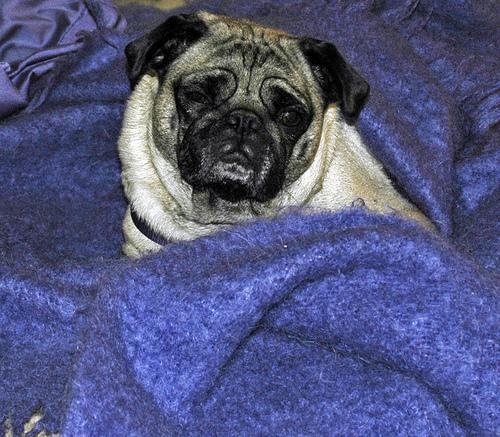
Pug
Small BreedAbout the Pug
The Pug is a small-sized breed. Males typically weigh between 6.3 and 8.2 kg when fully grown, while females weigh 5.4 to 7.3 kg. With an average lifespan of 13 to 15 years, the Pug is a long-lived breed.
Temperament
Pugs are charming, mischievous, and loving companions with big personalities in small bodies. They are excellent apartment dogs and thrive on human attention. Pugs are playful and sociable, getting along well with children and other pets. They can be stubborn but are generally eager to please. They are natural clowns who love to make their owners laugh.
Exercise Needs
Pugs need moderate exercise — about 30-40 minutes of daily walks and play. As a brachycephalic breed, they overheat easily and should not be exercised in hot weather. Short, gentle walks are better than intense activity. They enjoy interactive play sessions indoors. Pugs are prone to obesity, so regular exercise is important for weight management.
Common Health Issues
Pugs face numerous health challenges related to their flat face, including brachycephalic obstructive airway syndrome (BOAS), eye problems (proptosis, corneal ulcers), skin fold infections, hip dysplasia, and pug dog encephalitis. Their bulging eyes are vulnerable to injury. Potential owners should be prepared for potentially significant veterinary costs.
Grooming
Despite their short coat, Pugs shed heavily. Weekly brushing helps manage shedding. Their facial wrinkles need daily cleaning to prevent bacterial infections. Regular ear cleaning and nail trimming are important. They are relatively low-maintenance grooming-wise but the wrinkle care is essential.
Famous Pug Owners
The Pug's most famous historical owner may be Josephine Bonaparte, whose Pug Fortune bit Napoleon on their wedding night; Napoleon reportedly bore the marks and referred to the dog as a rival. The artist William Hogarth featured his Pug Trump in his 1745 self-portrait The Painter and his Pug, giving the breed enduring cultural recognition in British art. The Duke and Duchess of Windsor kept several Pugs after the 1936 abdication, making the breed fashionable among European aristocracy in the mid-20th century. Queen Victoria also kept Pugs, ensuring their long association with royal households.
Weight & Growth
A fully grown male Pug weighs approximately 7 kg on average. Use Dogpanion's free size predictor to estimate your Pug puppy's adult weight based on their current age and weight.
Pug Care Tools
Dogpanion offers free tools to help you care for your Pug:
- Age Calculator : Convert your Pug's age to human years using breed-specific formulas
- Size Predictor : Estimate your puppy's adult weight
- Food Safety Checker : Check which foods are safe or toxic for dogs
- Health Tracker : Log vaccinations, vet visits, and medications
Track Your Pug with Dogpanion
Free age calculator, size predictor, food safety checker, and health tracker for 350+ breeds.
Open Dogpanion FreeHomemade Recipes for Your Pug
Every ingredient verified safe. Use as occasional treats or meal toppers alongside a complete diet.