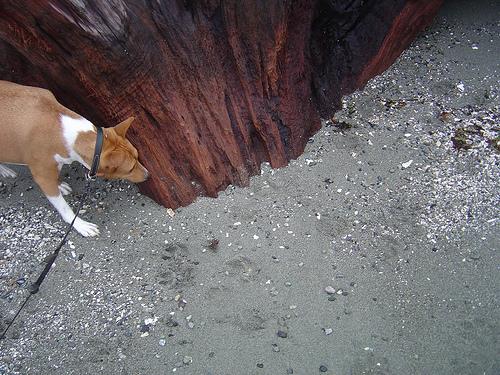
Basenji
Small BreedAbout the Basenji
The Basenji is a small-sized breed. Males typically weigh between 10 and 12 kg when fully grown, while females weigh 9 to 11 kg. With an average lifespan of 13 to 14 years, the Basenji is a moderately long-lived breed.
Temperament
Basenji dogs are friendly, alert, and full of personality. They are adaptable companions that suit a variety of living situations. They enjoy human company and do well with families, though interactions with young children should be supervised due to their smaller size. They are intelligent and respond well to positive training methods.
Exercise Needs
Basenji dogs need about 30-60 minutes of daily exercise including walks and play. They are more active than their size suggests and enjoy exploring new environments. A secure garden is beneficial for off-lead play. They adapt well to both apartment and house living, provided they get regular outdoor time.
Common Health Issues
Basenji dogs may be prone to patellar luxation, dental disease, ear infections, and eye problems common in small breeds. Regular veterinary check-ups help catch issues early. Maintaining a healthy weight is important as even small amounts of excess weight can stress their joints. Annual health screenings are recommended.
Grooming
Basenji dogs benefit from regular brushing to maintain a healthy coat and manage shedding. Bathing every 4-6 weeks or as needed keeps the coat clean. Regular dental care, nail trimming, and ear cleaning are part of a good grooming routine. Check for any skin irritation, lumps, or parasites during grooming sessions.
Famous Basenji Owners
The Basenji is one of the oldest dog breeds in existence, and its earliest known owners were the pharaohs of ancient Egypt; Basenjis appear in Egyptian tomb paintings from over four thousand years ago, shown accompanying pharaohs on hunts, wearing collars and leashes. They were brought as precious gifts from central Africa to the Egyptian court, and their value was such that they were depicted alongside gold and ivory in royal records. The breed re-entered Western consciousness when Olivia Burn imported several from the Congo, causing a sensation at Crufts in 1937. The Basenji's barkless nature; it yodels instead; has fascinated scientists and attracted dedicated owners who prize the extraordinary over the ordinary.
Weight & Growth
A fully grown male Basenji weighs approximately 11 kg on average. Use Dogpanion's free size predictor to estimate your Basenji puppy's adult weight based on their current age and weight.
Basenji Care Tools
Dogpanion offers free tools to help you care for your Basenji:
- Age Calculator : Convert your Basenji's age to human years using breed-specific formulas
- Size Predictor : Estimate your puppy's adult weight
- Food Safety Checker : Check which foods are safe or toxic for dogs
- Health Tracker : Log vaccinations, vet visits, and medications
Track Your Basenji with Dogpanion
Free age calculator, size predictor, food safety checker, and health tracker for 350+ breeds.
Open Dogpanion FreeHomemade Recipes for Your Basenji
Every ingredient verified safe. Use as occasional treats or meal toppers alongside a complete diet.