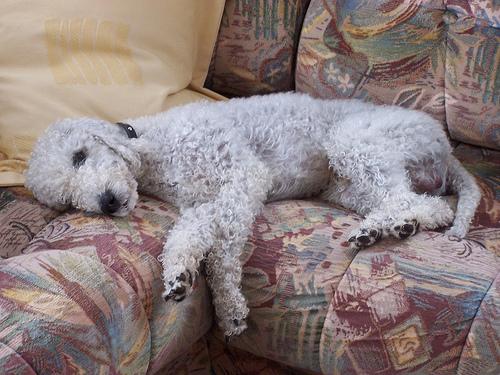
Bedlington Terrier
Small BreedAbout the Bedlington Terrier
The Bedlington Terrier is a small-sized breed. Males typically weigh between 7.7 and 10.4 kg when fully grown, while females weigh 7.7 to 10.4 kg. With an average lifespan of 11 to 16 years, the Bedlington Terrier is a moderately long-lived breed.
Temperament
The Bedlington Terrier is an energetic and affectionate breed that enjoys both playtime and cuddles. They are sociable dogs that generally get along well with other pets when properly introduced. Their alert nature makes them attentive companions, and they are quick to learn new commands when motivated by treats and praise.
Exercise Needs
Bedlington Terrier dogs need about 30-60 minutes of daily exercise including walks and play. They are more active than their size suggests and enjoy exploring new environments. A secure garden is beneficial for off-lead play. They adapt well to both apartment and house living, provided they get regular outdoor time.
Common Health Issues
Bedlington Terrier dogs may be prone to patellar luxation, dental disease, ear infections, and eye problems common in small breeds. Regular veterinary check-ups help catch issues early. Maintaining a healthy weight is important as even small amounts of excess weight can stress their joints. Annual health screenings are recommended.
Grooming
Bedlington Terrier dogs benefit from regular brushing to maintain a healthy coat and manage shedding. Bathing every 4-6 weeks or as needed keeps the coat clean. Regular dental care, nail trimming, and ear cleaning are part of a good grooming routine. Check for any skin irritation, lumps, or parasites during grooming sessions.
Famous Bedlington Terrier Owners
The Bedlington Terrier was developed in Northumberland during the early 1800s, with Joseph Ainsley of Bedlington credited with the first dog formally called by the breed name in 1825. The distinctive lamb-like appearance was cultivated by local miners and sporting men who valued the breed's combination of gameness and unusual looks. The breed became fashionable in Victorian times among both working-class sportsmen and well-to-do dog fanciers, and was shown at early Kennel Club events. Bedlington Terriers remain prized by enthusiasts who appreciate their unique combination of elegant appearance and hard working terrier spirit.
Weight & Growth
A fully grown male Bedlington Terrier weighs approximately 9 kg on average. Use Dogpanion's free size predictor to estimate your Bedlington Terrier puppy's adult weight based on their current age and weight.
Bedlington Terrier Care Tools
Dogpanion offers free tools to help you care for your Bedlington Terrier:
- Age Calculator : Convert your Bedlington Terrier's age to human years using breed-specific formulas
- Size Predictor : Estimate your puppy's adult weight
- Food Safety Checker : Check which foods are safe or toxic for dogs
- Health Tracker : Log vaccinations, vet visits, and medications
Track Your Bedlington Terrier with Dogpanion
Free age calculator, size predictor, food safety checker, and health tracker for 350+ breeds.
Open Dogpanion FreeHomemade Recipes for Your Bedlington Terrier
Every ingredient verified safe. Use as occasional treats or meal toppers alongside a complete diet.