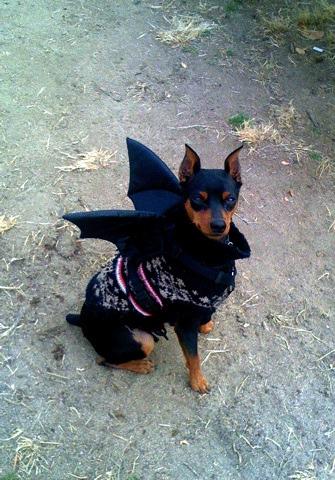
Miniature Pinscher
Toy BreedAbout the Miniature Pinscher
The Miniature Pinscher is a toy-sized breed. Males typically weigh between 3.6 and 5 kg when fully grown, while females weigh 3.6 to 5 kg. With an average lifespan of 12 to 16 years, the Miniature Pinscher is a long-lived breed.
Temperament
Miniature Pinscher dogs are affectionate and loyal companions that form strong bonds with their owners. They are alert and often make good watchdogs despite their small size, barking to alert their family to visitors or unusual sounds. They thrive on attention and companionship, and may develop separation anxiety if left alone for extended periods. Early socialisation helps them become confident and well-rounded pets.
Exercise Needs
Miniature Pinscher dogs need about 20-30 minutes of daily exercise through short walks and indoor play sessions. Despite their small size, they are active and enjoy interactive games. Be cautious in extreme weather as their small bodies are sensitive to temperature changes. Gentle play and short walks are ideal — avoid rough activities that could injure their delicate frame.
Common Health Issues
As a toy breed, Miniature Pinscher dogs may be prone to dental disease due to overcrowded teeth in small jaws, patellar luxation (kneecap issues), tracheal collapse, and hypoglycaemia. Their small size makes them fragile — handle with care and supervise interactions with young children. Regular dental check-ups are particularly important. Keep up to date with vaccinations and parasite prevention.
Grooming
Grooming needs for Miniature Pinscher dogs vary depending on coat type. Regular brushing helps maintain coat health and reduces shedding. Dental care is particularly important for toy breeds — daily tooth brushing or dental treats are recommended. Regular nail trimming is essential as small dogs often do not wear their nails down naturally through exercise. Check ears regularly for signs of infection.
Famous Miniature Pinscher Owners
The Miniature Pinscher, though developed in Germany, became particularly popular amongst European nobility and the emerging middle class during the 19th and early 20th centuries. Often called the "King of the Toy Breeds" for their confident, fearless demeanour, they were favoured by owners who appreciated a spirited companion in a compact package. The breed gained significant prominence in Britain and America following their introduction to these markets in the early 1900s. Their sleek appearance, animated personality, and remarkable athleticism attracted owners who valued both aesthetics and genuine working dog temperament in miniature form.
Weight & Growth
A fully grown male Miniature Pinscher weighs approximately 4 kg on average. Use Dogpanion's free size predictor to estimate your Miniature Pinscher puppy's adult weight based on their current age and weight.
Miniature Pinscher Care Tools
Dogpanion offers free tools to help you care for your Miniature Pinscher:
- Age Calculator : Convert your Miniature Pinscher's age to human years using breed-specific formulas
- Size Predictor : Estimate your puppy's adult weight
- Food Safety Checker : Check which foods are safe or toxic for dogs
- Health Tracker : Log vaccinations, vet visits, and medications
Track Your Miniature Pinscher with Dogpanion
Free age calculator, size predictor, food safety checker, and health tracker for 350+ breeds.
Open Dogpanion FreeHomemade Recipes for Your Miniature Pinscher
Every ingredient verified safe. Use as occasional treats or meal toppers alongside a complete diet.