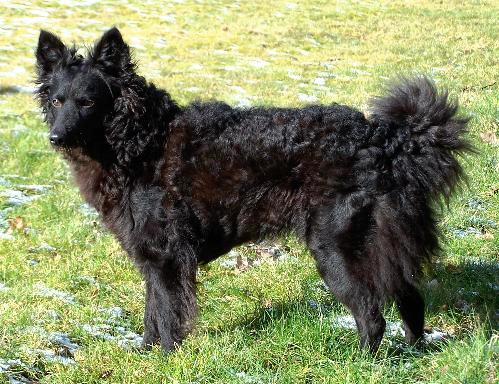
Mudi
Medium BreedAbout the Mudi
The Mudi is a medium-sized breed. Males typically weigh between 11 and 13 kg when fully grown, while females weigh 8 to 11 kg. With an average lifespan of 12 to 14 years, the Mudi is a moderately long-lived breed.
Temperament
The Mudi is a well-balanced breed combining energy with a willing temperament. They are loyal to their families and can be protective without being aggressive. They are adaptable dogs that do well in active households where they can be included in daily activities. Consistent training and socialisation bring out the best in this breed.
Exercise Needs
Mudi dogs need at least 1-2 hours of daily exercise. They enjoy walks, runs, and interactive play sessions. Many excel in dog sports like agility and obedience. Mental stimulation through training and puzzle toys is equally important. Without adequate exercise, they may develop destructive habits or excessive barking.
Common Health Issues
Mudi dogs may be prone to hip dysplasia, allergies, ear infections, and eye conditions. Regular veterinary check-ups and maintaining a healthy weight help prevent many common issues. Discuss appropriate health screening tests with your vet. A balanced diet and regular exercise contribute significantly to long-term health.
Grooming
Regular grooming helps keep Mudi dogs looking and feeling their best. Brush the coat 1-2 times per week to remove loose hair and distribute natural oils. Bathe as needed. Regular nail trimming, ear cleaning, and dental care round out the grooming routine. Grooming sessions are also a good opportunity to check for any health concerns.
Famous Mudi Owners
The Mudi was documented and formally named by Hungarian veterinarian Dr. Dezso Fenyes in the 1930s, though the breed had been used by Hungarian shepherds for centuries before formal recognition. Dr. Fenyes established the first breed standard and championed the Mudi's recognition by the Hungarian Kennel Club. The breed was nearly lost during World War II but was rescued by dedicated Hungarian breeders who rebuilt the population from the surviving dogs. The Mudi remains a rare but highly capable herding dog, celebrated in Hungary as a living connection to the nation's ancient shepherding traditions.
Weight & Growth
A fully grown male Mudi weighs approximately 12 kg on average. Use Dogpanion's free size predictor to estimate your Mudi puppy's adult weight based on their current age and weight.
Mudi Care Tools
Dogpanion offers free tools to help you care for your Mudi:
- Age Calculator : Convert your Mudi's age to human years using breed-specific formulas
- Size Predictor : Estimate your puppy's adult weight
- Food Safety Checker : Check which foods are safe or toxic for dogs
- Health Tracker : Log vaccinations, vet visits, and medications
Track Your Mudi with Dogpanion
Free age calculator, size predictor, food safety checker, and health tracker for 350+ breeds.
Open Dogpanion FreeHomemade Recipes for Your Mudi
Every ingredient verified safe. Use as occasional treats or meal toppers alongside a complete diet.